
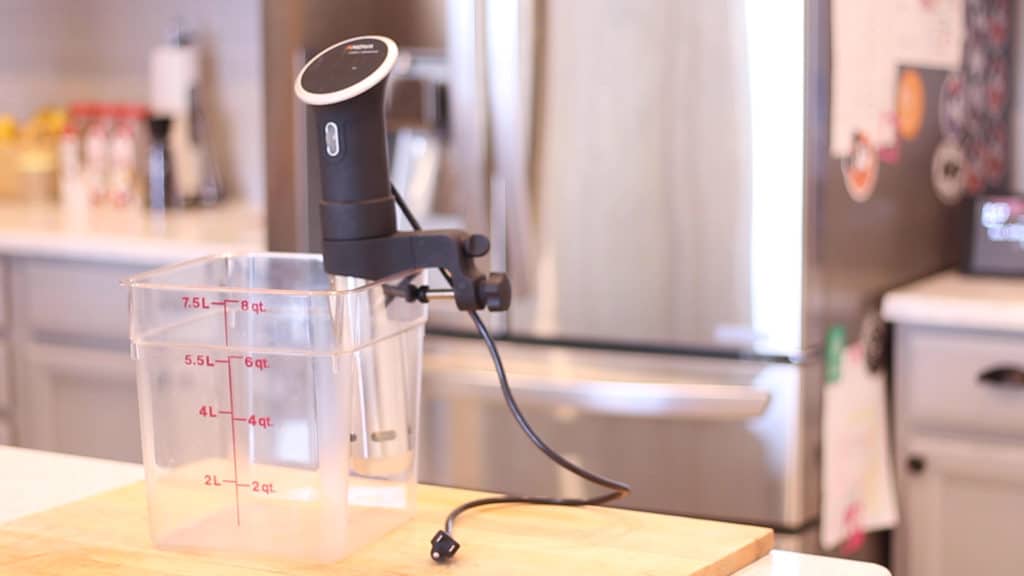
You want to know how to sous vide but you don't know the first thing about a Sous Vide Cooker. Don't worry about it, Dad Got This.
Dad picked up his Anova Precision Cooker pretty early on after they were released. This is the gadget that got Dad into gadget cooking.
This Page Contains Affiliate Links. For more Information See My Disclosures here.
What is Sous Vide Cooking?
Sous Vide cooking is cooking vacuum-sealed food in a precisely controlled water bath. In fact, Sous Vide means "Under Vacuum" in French. Cooking at such precise temperatures allows you to achieve results that are just not possible with other cooking methods. This technique used to be reserved for restaurants since the equipment was really expensive.
In 2013 Anova Changed Everything
A small company introduced the first "Sous Vide Cooker " for the home cook in 2013 and it took off like wildfire. It was one of the most popular food kickstarters ever. Now the home cook had a rather affordable way to sous vide cook.
What is a Sous Vide Cooker?
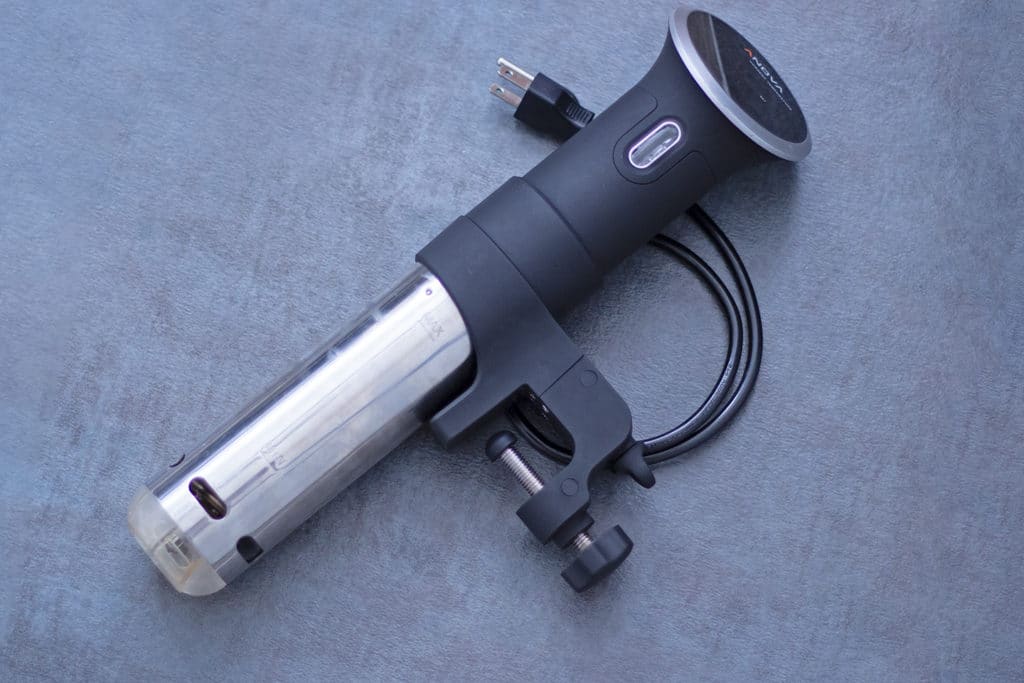
A Sous Vide Cooker is not actually the proper name. They should actually be called an Immersion Circulator to be technically correct. However the term of "Sous Vide Cooker" has become popular so that is what Dad will call them for the purpose of this article.
A Sous Vide Cooker heats water to a very precise temperature and circulates it. The reason that it is not just a heater is that you would end up with hot and cold spots in the water. By circulating the water it makes the entire water bath the same temperature. You don't want the food to be cooked at different temperatures.
How Do I Seal The Food?
The second part of the Sous Vide process, and where the name comes from, is sealing the food. There are two ways you can achieve this.
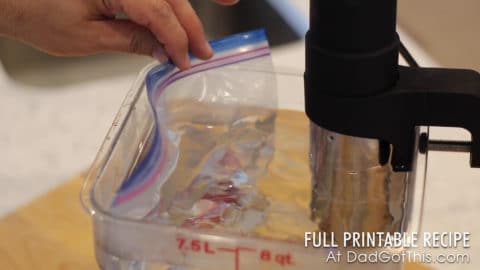
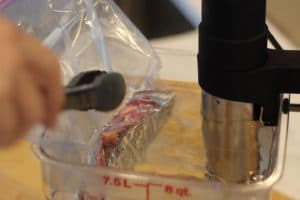 One is to use the immersion technique with freezer storage bags. Put the food in the bag and slowly lower it into water as the bag is submerged the air is pushed out. It is not as good as vacuum sealing but it works well for short cooks like steak, chicken and pork chops.
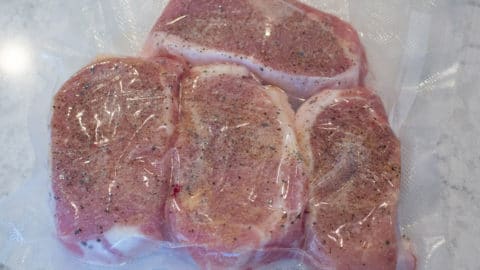
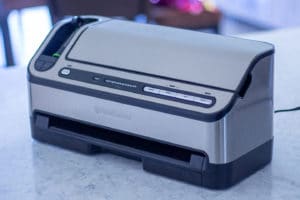 The other way is to use a vacuum sealer system like the Foodsaver. By using special bags and the vacuum sealer you can get a 100% airless environment and a stronger seal. This is basically a requirement if you want to do longer cooks like roasts and ribs.
Why Would I Want To Cook This Way?
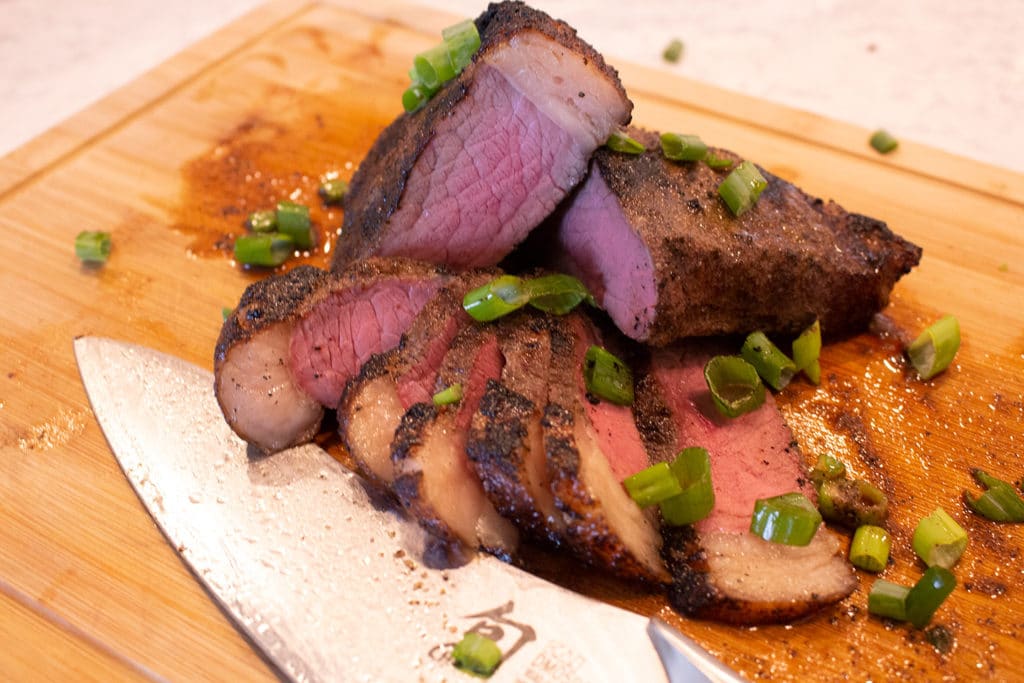
There are lots of benefits from cooking sous vide. One big benefit is that you can not overcook food. If you set the temperature of the water bath to 134 degrees it is impossible to cook the food past 134 degrees.
Another benefit of cooking sous vide is since the food is sealed in the bag none of the juices that would traditionally be lost escape. Not only does Sous Vide food loose less moisture when cooking the juices that are expelled stay with the food producing juicer and more flavorful food.
Sous Vide allows you to cook at lower temperatures for longer periods of time. This allows you to be able to take tough cuts and make them super tender. It really is unlike any other cooking method since you are cooking the food at the desired serving temp.
Is Sous Vide Cooking Safe?
Dad is not a scientist but he has read up on this subject a lot. There is a lot of research out there on the subject and while Dad could go over it he thinks it is best to just link to an article by cooks illustrated, Is Cooking Sous Vide Safe. This article goes over in lots of detail why it is safe. Here are few main points on Sous Vide Safety.
Use Quality Bags:
As long as you use BPA free bags, which Foodsaver and Ziploc brand bags are there is no danger from the plastic bags.
Cook Above 130 Degrees:
In most cases cooking and holding food at 130 degrees or above will pasteurize and kill bacteria.
Chill Quickly:
If you are not searing and serving right after removing the food from the bag you need to rapidly cool it in an ice water bath. This will eliminate the chance for bacteria spores to become active while it is cooling.
Searing Kills Surface Bacteria:
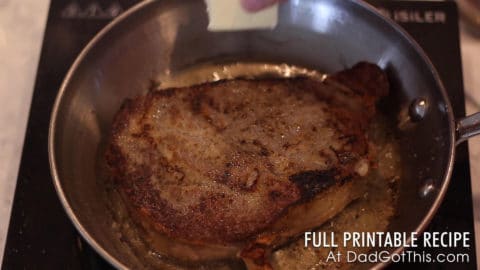
The searing process is not just to add that wonderful crust and flavor. It also kills any possible surface bacteria.
What Type of Cookers are Available?
There are two main types of cookers available. Dad will call them the stick version and all in one units.
The stick version is by far the most popular and what you will see most often. They are more affordable and easy to store.
These stick units will either attach to the side of your container or some are magnetic and stick to the bottom. Dad cooks with a stick version, an Anova Precision cooker and loves it.
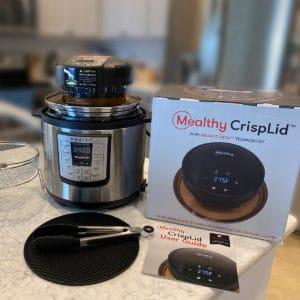
The all in one units are just that. They have the function built into a big appliance that you fill with water. They are much bigger and more expensive.
Dad does not see much of an advantage to these units. They require a lot of storage space and you can achieve the same results with the stick cookers.
Ok, What Are The Basic Steps for Sous Vide?

How to Sous Vide
Equipment
- Immersion Circulator
- Vessel to Cook In
- Vacuum Sealer if Using Vacuum Bags
Materials
- 1 Vacuum Bag or Ziploc Freezer Bag
Instructions
- Fill a pot or polycarbonate container with water. If you have a unit where the actual unit is vessel like the instant pot fill that.

- Attach your Immersion Circulator using whatever mounting system it uses.
- Turn the unit on and set it to the desired temperature.
- Seal the food in a vacuum bag using a vacuum sealer.
- If you do not have a vacuum sealer you can use the immersion technique. Place the food in a Ziploc bag and slowly lower the bag into the water. As you lower it the air will push out and then you can seal it right before the seal goes under water. This will work for short cooks. Do not submerge the whole bag as it can cause the seal to open. Clip the bag to the side of the container to prevent it.
- Let the food cook in the water bath for the time required for the recipe. For certain foods like pork it is a good practice to either put something over the bag or attach a weight to the bottom. This is to prevent the food from floating. If the food floats and part of it is exposed it will not cook properly or be safe to eat.
- When the time is done take the food out of the water bath.
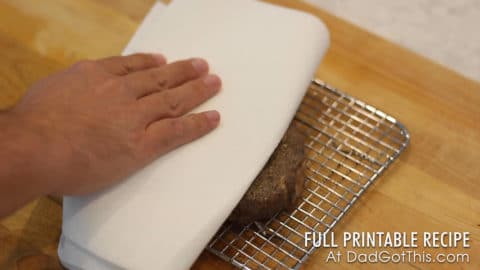
- Remove the food from the bag and pat dry. It is important to dry the food before the searing step because excess moisture will make it harder to get a nice crust.
- Sear the food in your chosen method. Some options are on a grill, a hot pan or using the broiler.
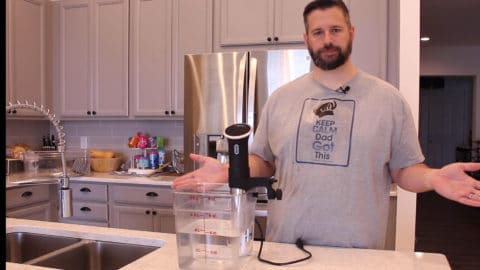
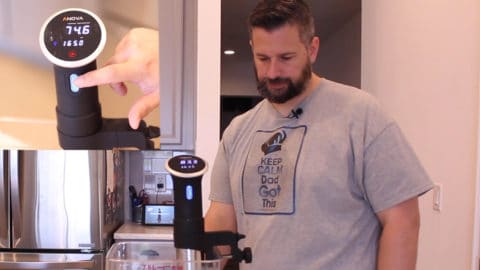
Video
 Tried this Tip?Mention @DadGotThis or tag #DadGotThis!
Now Go Cook Something!
Did you know Dad has a Youtube Channel? Well you should go check it out!

Leave a Reply